
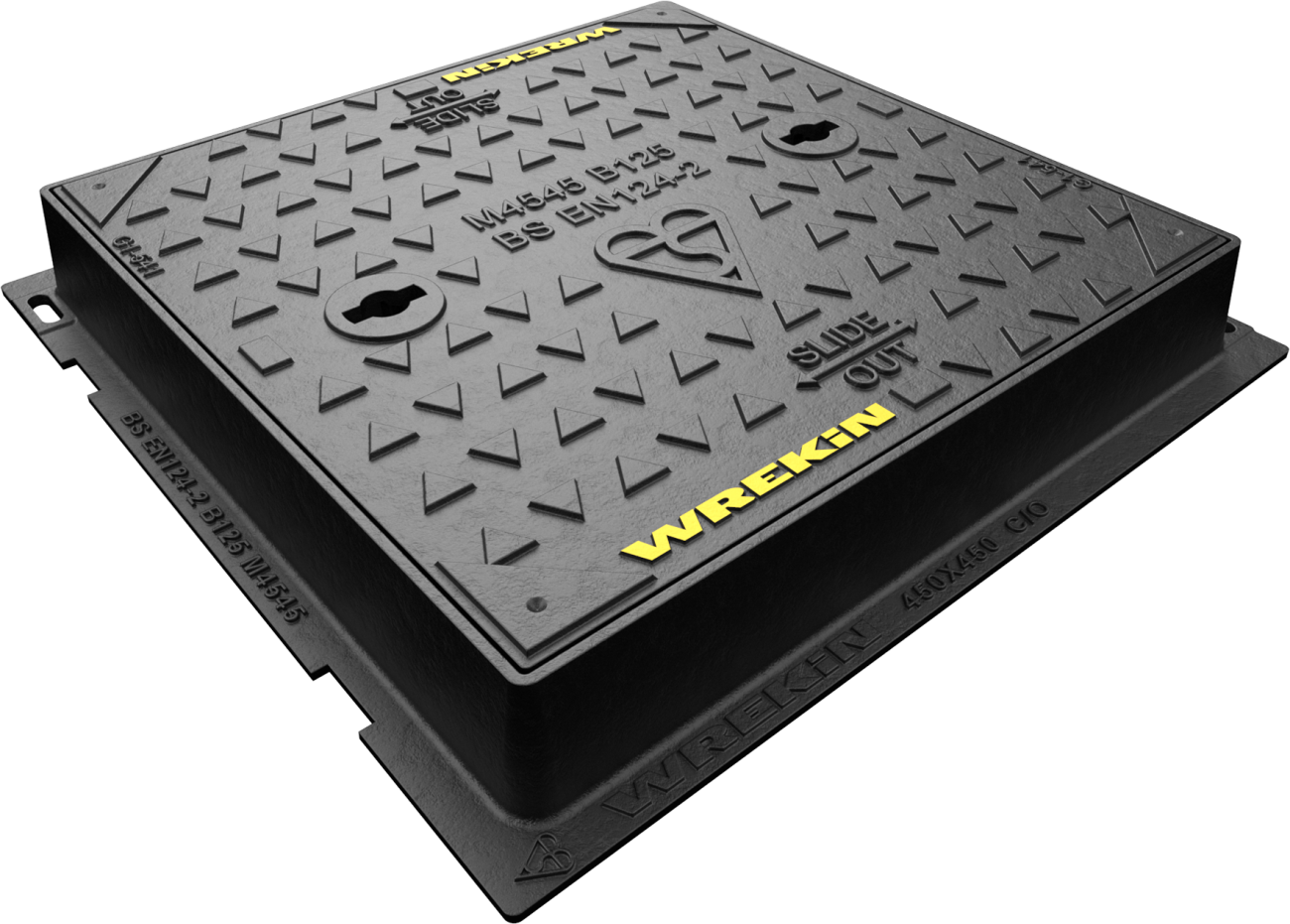
Why Choosing the Right Access Cover Matters — A Practical Guide for Specifiers and Installers
When it comes to underground utilities, drainage systems, or highway infrastructure, access covers are small components with a big impact. Choosing the right cover affects safety, maintenance, compliance, longevity, and even overall project cost. Getting the specification wrong can lead to premature failure, increased maintenance, or, worse, a safety incident.
Thankfully, by combining technical knowledge with trusted suppliers, you can make the right choice for your project.
The Role of Access Covers in Infrastructure
Access covers provide safe access to underground chambers — such as drainage junctions, utility conduits, valve chambers or inspection points. They need to support the correct load class (i.e., how much weight they must carry), resist environmental conditions like corrosion and water ingress, and offer a reliable sealed interface with surrounding surfaces.
At a basic level, the wrong cover — such as one designed for pedestrians being placed in a highway — can lead to failure under load, safety hazards, and costly replacements or repairs.
What to Consider When Choosing an Access Cover
Here are the main factors to consider when specifying or selecting an access cover:
1. Load Class and Application
Access covers are classified using standards such as BS EN 124, which define loading classes to match where the cover will be installed — from pedestrian zones to heavy roadway traffic.
For example:
-
Light duty covers are suitable for gardens, footpaths, and domestic driveways.
-
Heavy duty covers are needed where vehicles or heavy equipment travel.
Matching the loading class to the application ensures safety and long-term performance.
2. Material and Corrosion Resistance
Steel, aluminium, and ductile iron are common materials, each with different strength characteristics. Hot-dip galvanised steel, for instance, provides excellent corrosion protection across many environments.
Selecting the right material affects how well the cover performs over time — especially in wet, chemical, or coastal environments.
3. Seal and Fit
A good access cover should minimise water or odour ingress. Features like EPDM gaskets, double seals, and strong frame edges help maintain integrity and ensure minimal maintenance. Many modern covers incorporate continuous seals and reinforced corners for improved performance.
How Reliable Suppliers Help You Get It Right
Working with reputable suppliers is key to making informed decisions and avoiding specification errors. Two such trusted sources in the UK are:
Wrekin Products – Access Covers
Wrekin Products is a well-established manufacturer and supplier of steel and aluminium access covers. Their range includes solid top covers, recessed block infill trays, and bespoke options, engineered to meet modern requirements.
Key advantages of using a supplier like Wrekin include:
-
Wide range of load classes and configurations
-
Bespoke engineering support
-
Design features like continuous seals, keyways, and reinforced edges
-
Technical documentation to guide specification
Using their guide to choosing the right cover can save time and help avoid the pitfalls associated with incorrect sizing or loading choices.
Online Drainage Solutions Ltd
Online Drainage Solutions Ltd (ODS) combines over 50 years of drainage and construction experience with a broad product portfolio — including access covers, drainage chambers, pump stations, tanks, and ancillary components.
What makes ODS valuable for specifiers is:
-
A wide range of products from multiple manufacturers
-
A focus on helping customers choose the correct product and installation
-
Support services, including installation advice and site guidance
This means you don’t just get a cover — you get experience-backed guidance on what’s right for your application.
Putting It All Together: A Better Specification Process
To choose the best access cover for your project:
-
Understand the installation environment — pedestrians only, light vehicles, or heavy traffic?
-
Check the relevant standards — load class, sealing requirements, and environmental conditions.
-
Use supplier resources like technical guides and product options.
-
Ask for expert help from distributors or suppliers with real project experience.
Final Thoughts
Getting your access cover right might seem like a small detail in a larger project — but it’s one of the most critical for safety, compliance, and performance. By combining the technical breadth of a manufacturer like Wrekin Products with the practical support and wide range of a distributor like ODS Ltd, you can make confident, informed choices that stand the test of time.


Leave a comment
This site is protected by hCaptcha and the hCaptcha Privacy Policy and Terms of Service apply.